The Juvenile Crime Prevention Council (JCPC) is a community-based organization, typically organized at the county level, designed to bridge the gap between local government and the state’s juvenile justice system. Its primary mission is to reduce and prevent juvenile delinquency by funding and overseeing local intervention programs.
Think of it as a local "board of directors" for youth safety and development.
The JCPC serves as a strategic planning body. Instead of the state dictating how every town should handle its youth, the JCPC allows local leaders to decide which programs their specific community needs.
Every year, the council conducts a Risk and Needs Assessment. They look at local data—such as school suspension rates, juvenile arrest records, and substance abuse trends—to identify the "gaps" in the community.
The state (usually through a Department of Public Safety or Juvenile Justice) allocates a block of money to the county. The JCPC then opens a "Request for Proposals" (RFP) for local non-profits and agencies to apply for that funding.
The council doesn't just hand out checks. They monitor programs to ensure they are effective. If a program isn't helping kids stay out of trouble, the JCPC can redirect that funding elsewhere.
By law, JCPC membership is diverse to ensure a "whole-community" approach. Members usually include:
Local Officials: County managers, commissioners, or city leaders.
Law Enforcement: The Sheriff and the Chief of Police.
Education: The School Superintendent or their designee.
Justice System: A District Attorney, a Judge, and a Public Defender.
Community Members: Non-profit leaders, faith-based representatives, and sometimes a youth member under age 21.
The JCPC focuses on programs that provide "dispositional alternatives" to the court—basically, ways to help a child without sending them to a detention center. Common examples include:
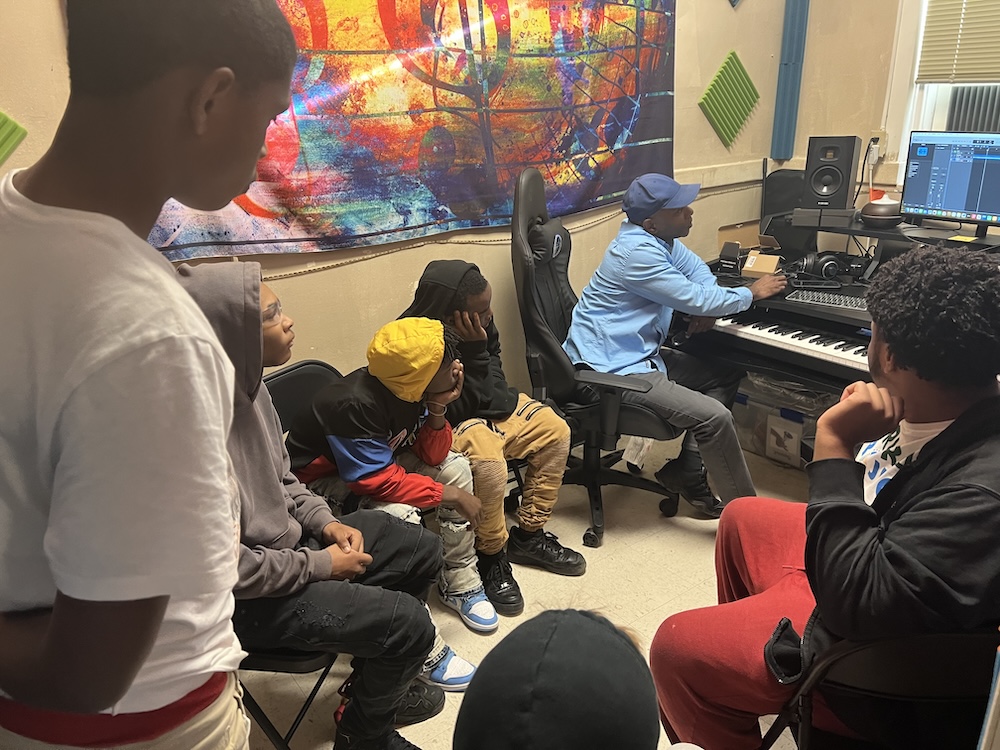
Mentoring: Connecting at-risk youth with stable adult role models.
Restitution & Community Service: Ensuring kids "make it right" after a minor offense.
Teen Courts: Diversion programs where peers hear cases for first-time offenders.
Psychological Services: Counseling for trauma or substance abuse.
Skill Building: After-school programs focused on vocational or life skills.
The JCPC model is built on the philosophy that local people know local problems best. By intervening early at the community level, the JCPC aims to prevent "pipeline" behavior—stopping a child from moving from a minor schoolyard scuffle to a lifelong involvement with the adult criminal justice system.
Would you like me to look up the specific JCPC contact information or current priorities for your local county?