It's Just What the Garden Needed
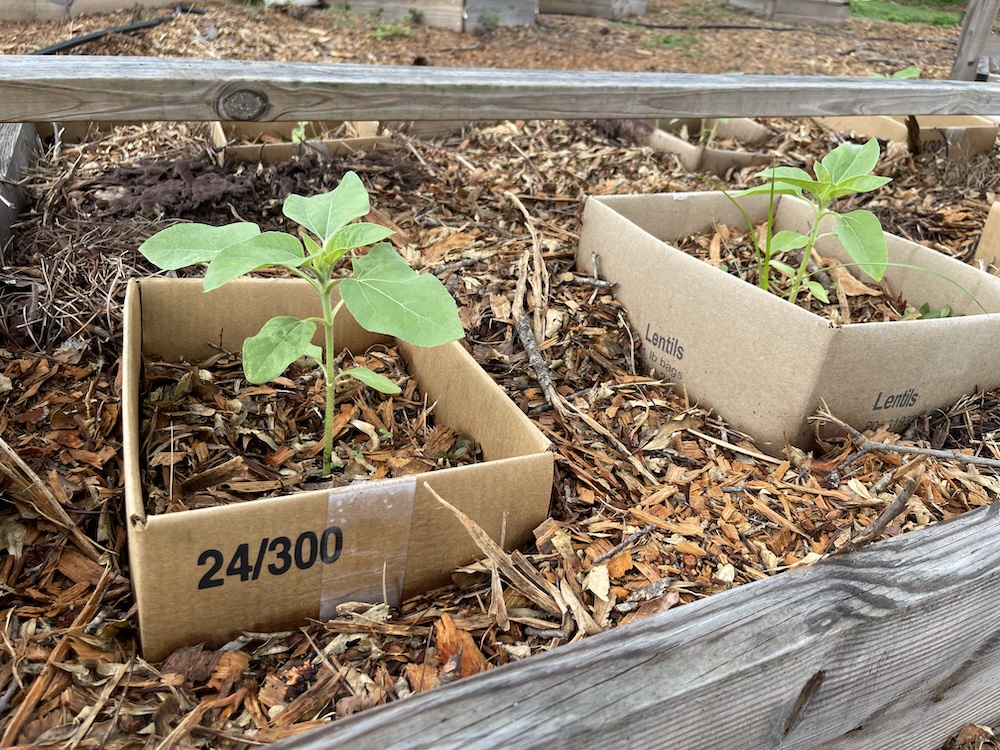 | 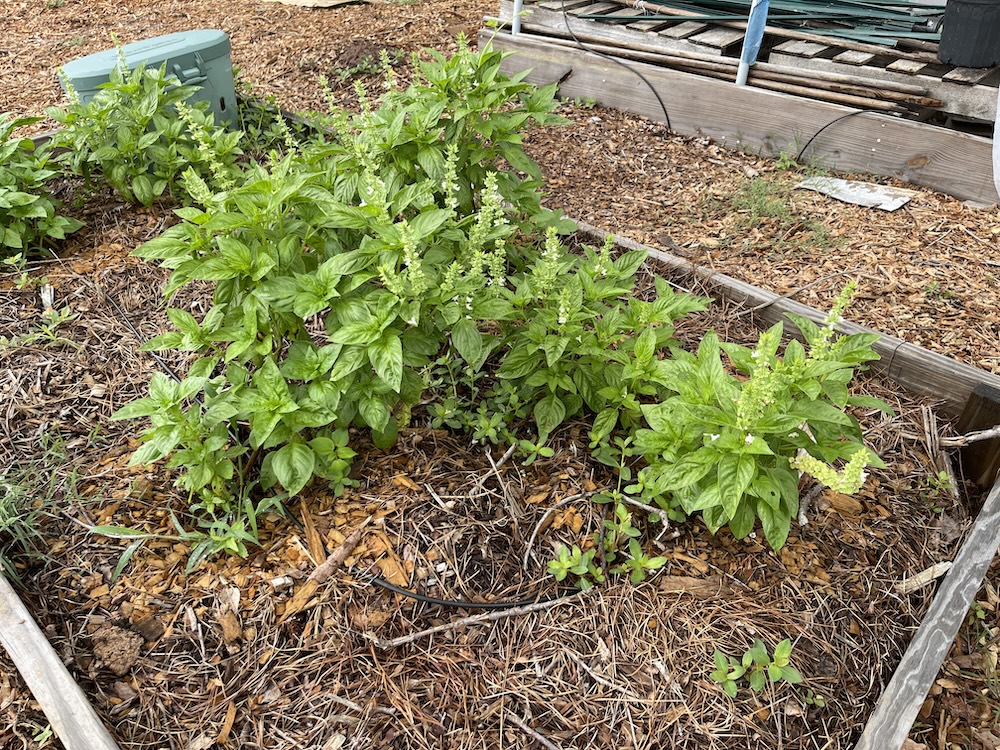 |
You can dial in your timers, check your lines, and monitor your soil levels down to the exact percentage, but nothing competes with the real thing. For the past few weeks, the garden has been just sort of struggling along. It wasn’t dying, but it wasn't exactly thriving either—stuck in that frustrating mid-spring plateau where the growth feels sluggish, and the vibrant green you're waiting for looks a little faded around the edges.
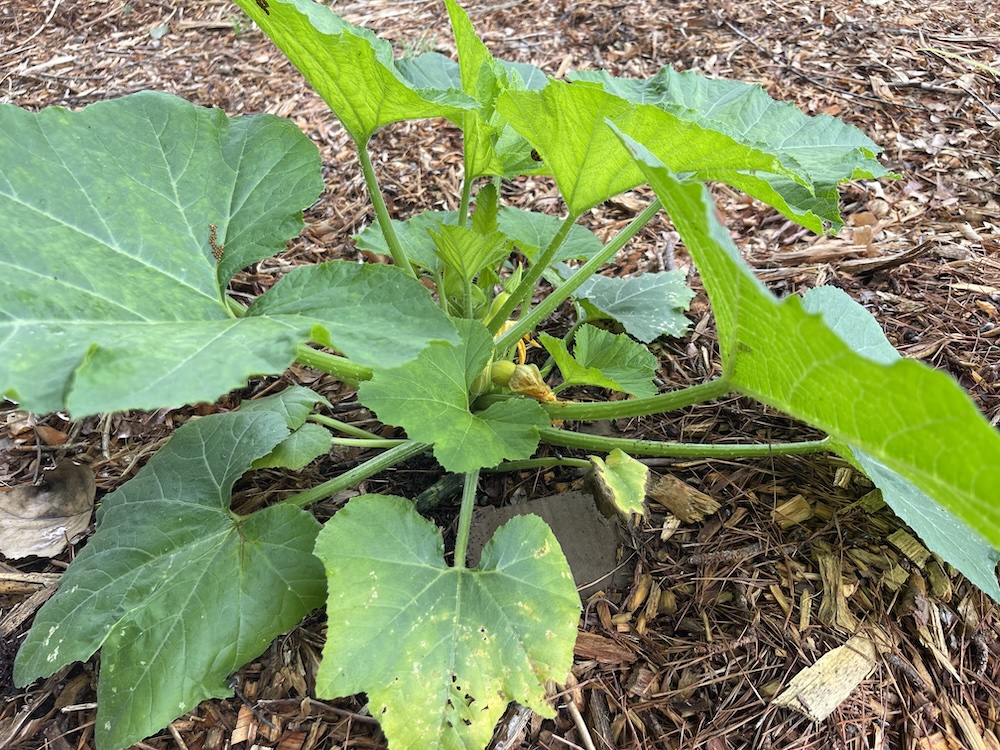 | 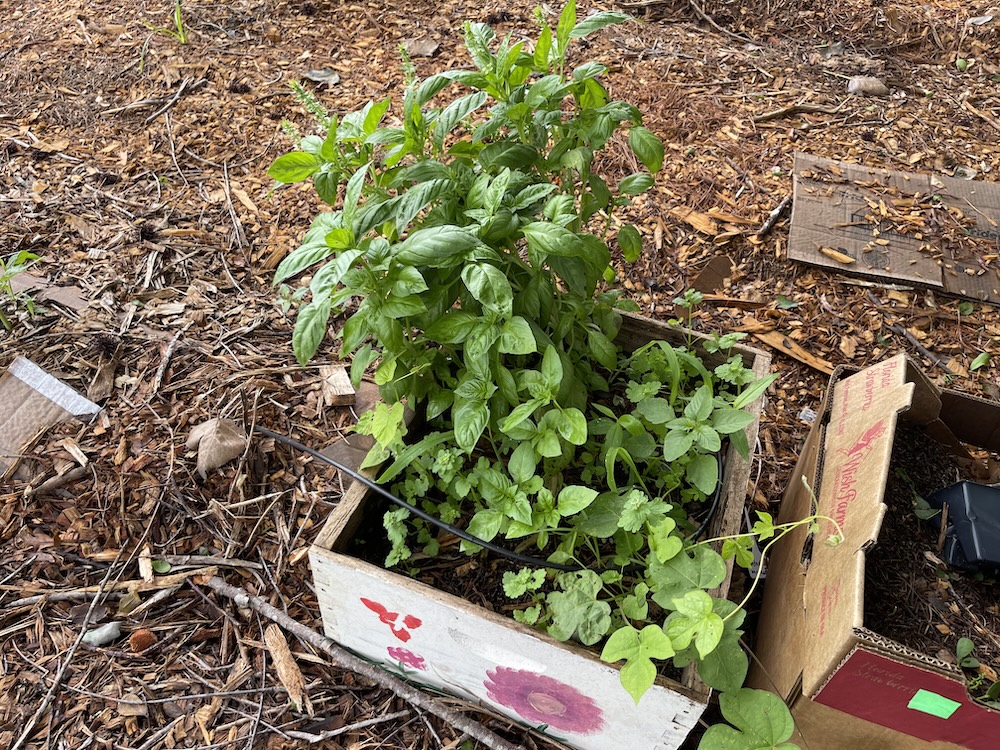 |
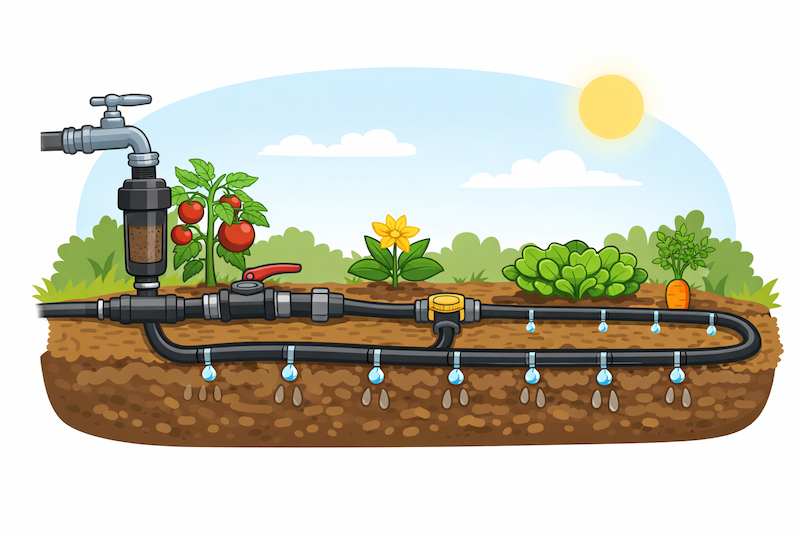
Our regular watering cycles ensured the roots never went completely dry. Yet, the plants seemed content to just sit there, stubborn and stagnant. Then, a few days ago, the clouds broke and a significant amount of rainfall came down. It wasn't a destructive storm, just a deep, sustained, multi-day soaking. And almost instantly, everything shifted. It’s incredible how only a few days of actual rain can kick a garden into absolute overdrive.
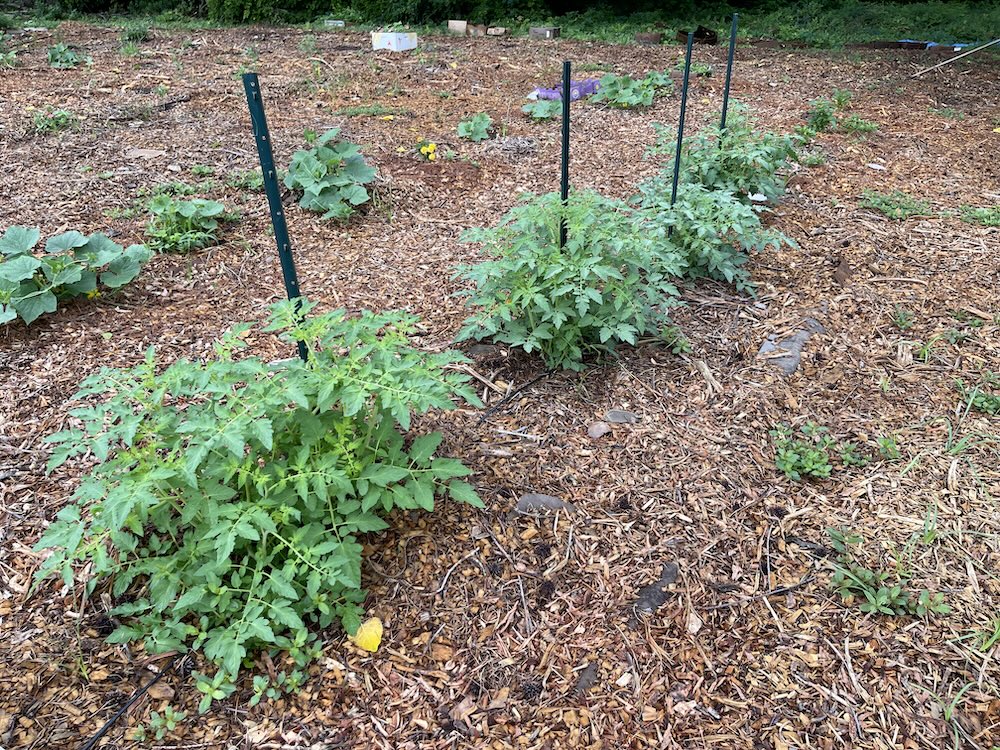
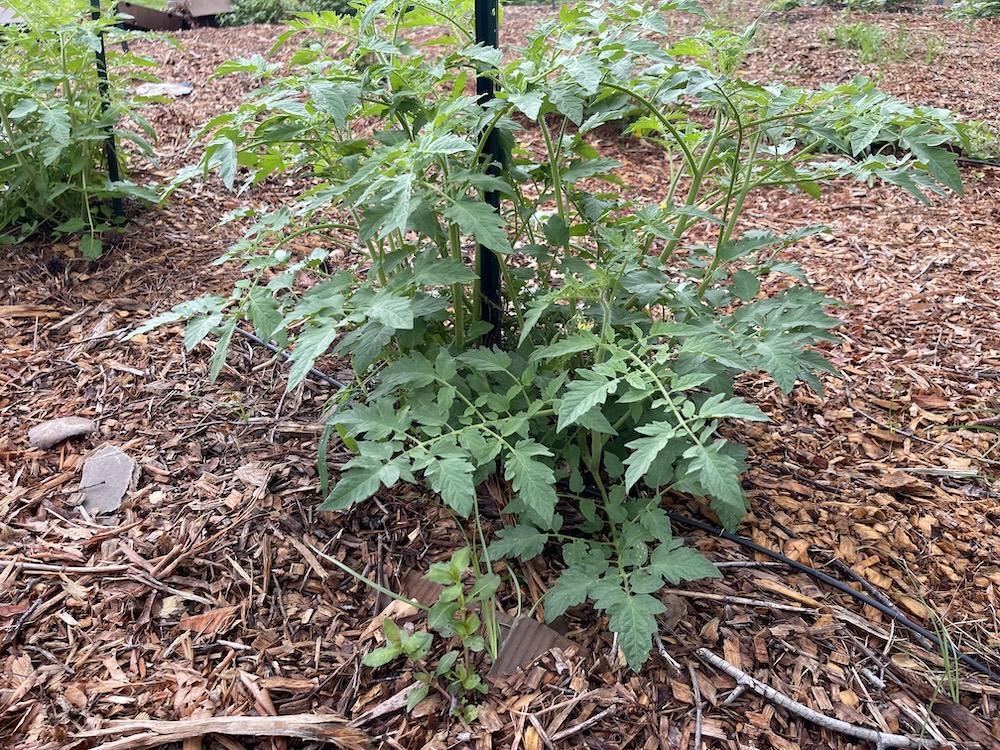
The transformation is visual and immediate.
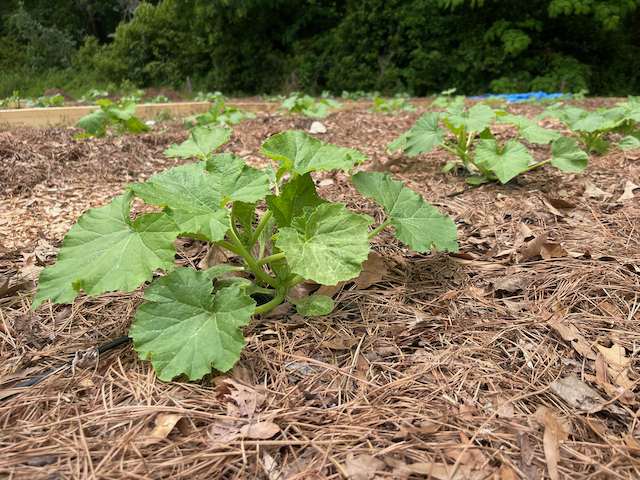
The leaves have deepened into a rich, glossy emerald, the stems have thickened, and new shoots are aggressively pushing their way toward the sky. It makes you realize that no matter how sophisticated your backyard watering setup is, municipal tap water just lacks the magic of a natural downpour.
 |  |
The Science Behind the Surge
Why does rainwater trigger such a massive growth explosion compared to regular irrigation?
Rainwater is naturally soft, free of treated chemicals, and carries a highly bio-available form of dissolved oxygen. More importantly, as raindrops fall through the atmosphere, they collect airborne nitrogen—essentially delivering a perfectly diluted, cold-pressed dose of liquid fertilizer straight to the leaves and root systems.
Seeing the garden explode into life after a good downpour is the ultimate reminder of why we do this. It’s a humbling nudge from nature that while our tools and schedules keep things alive, it’s the natural elements that make them truly thrive. If your beds are looking a bit tired, keep the faith—sometimes all they need is a good, heavy rain to unlock their full potential.