Teachers don’t need to be experts in robotics or coding to get started.
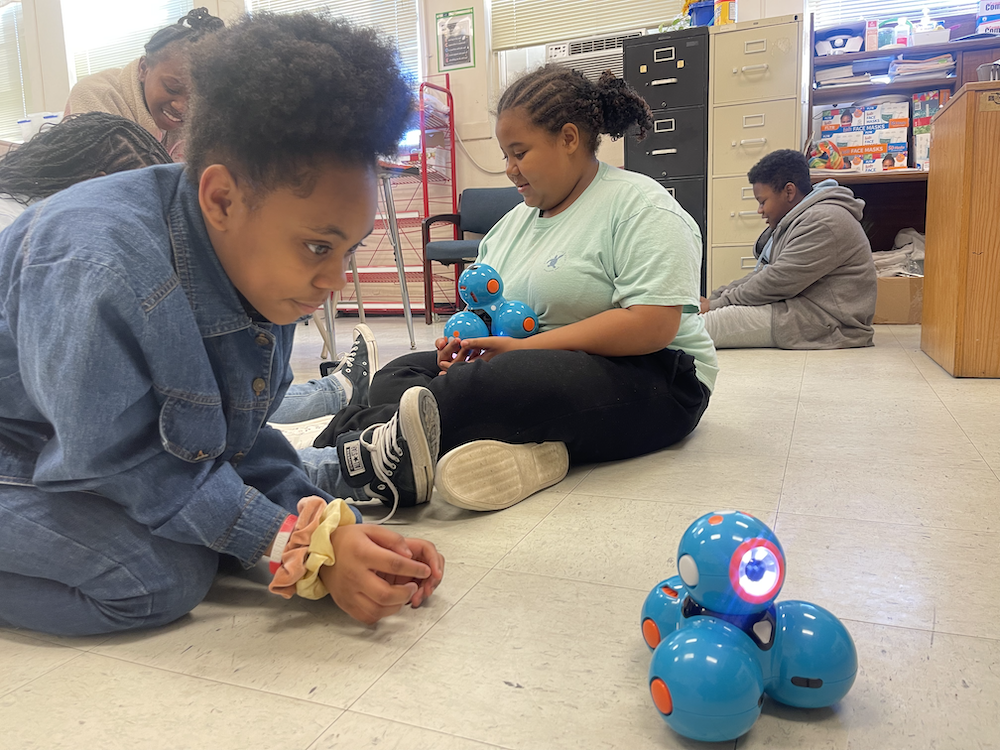
Getting started with STEM education doesn’t require expensive lab equipment or complex lesson plans. One of the best ways educators can introduce students to STEM concepts is through hands-on experimentation with fun robotic toys and interactive projects. Tools like LEGO Mindstorms, Sphero, or VEX Robotics allow students to engage in playful exploration while learning fundamental engineering, coding, and problem-solving skills. By incorporating these tools into the classroom, educators can foster curiosity and creativity, allowing students to discover STEM principles in an exciting, low-pressure environment.
Teachers don’t need to be experts in robotics or coding to get started. Many educational robotic kits come with pre-built lessons and intuitive, block-based coding interfaces that make it easy for students to jump in and experiment. Educators can encourage open-ended exploration by asking students to solve simple challenges, such as navigating a robot through a maze or programming it to complete a task. By focusing on trial and error, collaboration, and creative problem-solving, students build confidence in STEM subjects while having fun. This approach makes STEM accessible and engaging for all learners, sparking a lifelong interest in science and technology.
Continue Reading

Building Materials Are Arriving!
Apr 17, 2026
Building the Future: Community Education Center Construction Progress
Jun 20, 2026
July 2, 2026 Construction Update
Jul 02, 2026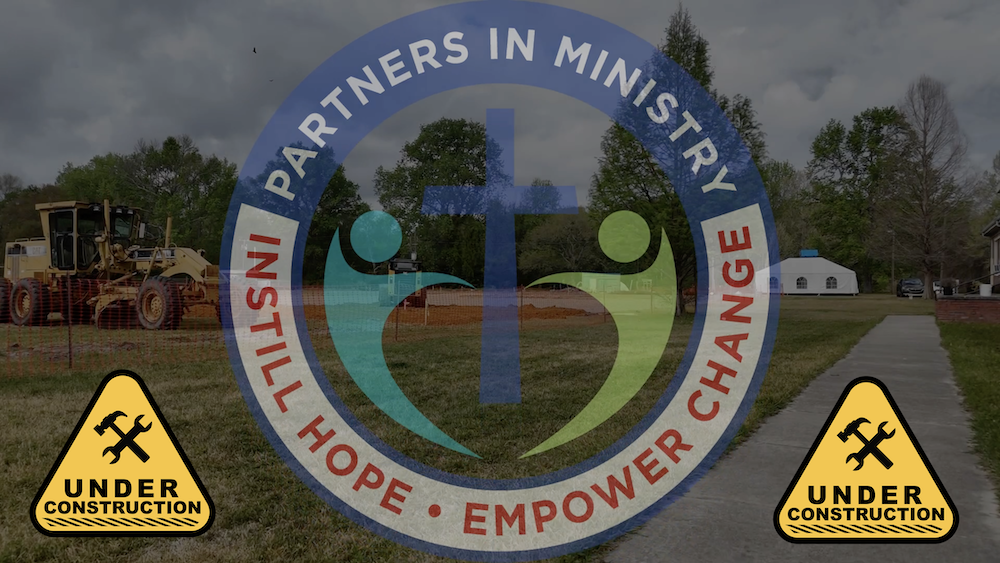
July 17 Construction Update
Jul 17, 2026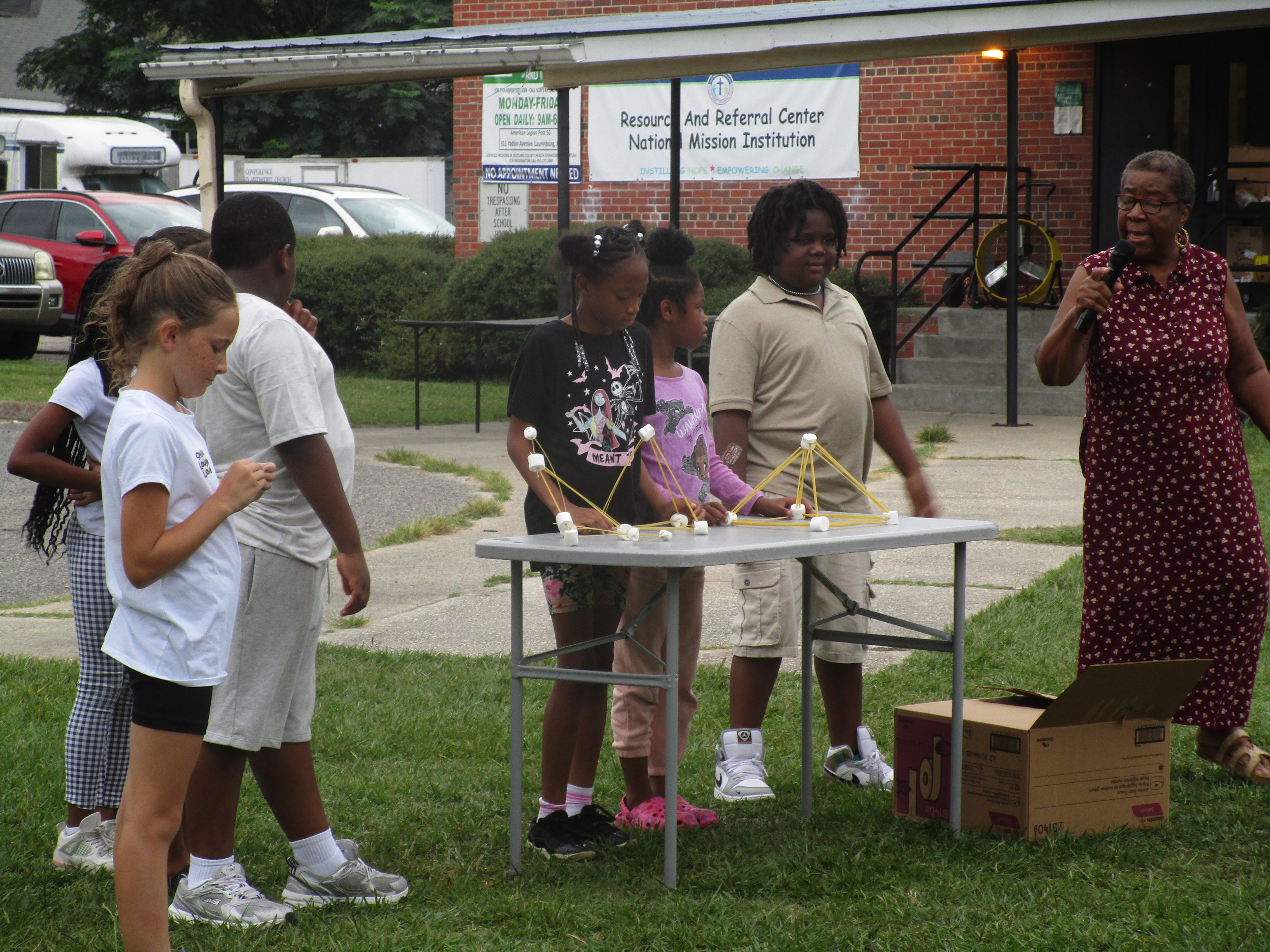
That's a Wrap! Camp STEM-U-lation 2026 Comes to a Close
Jul 23, 2026