Planting is complete, but the real work just started.
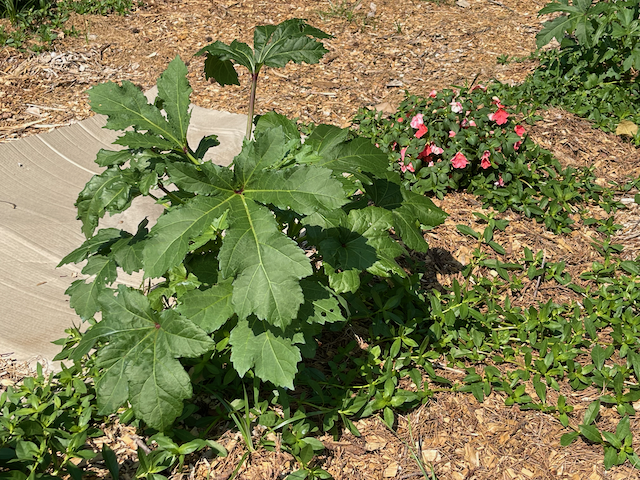
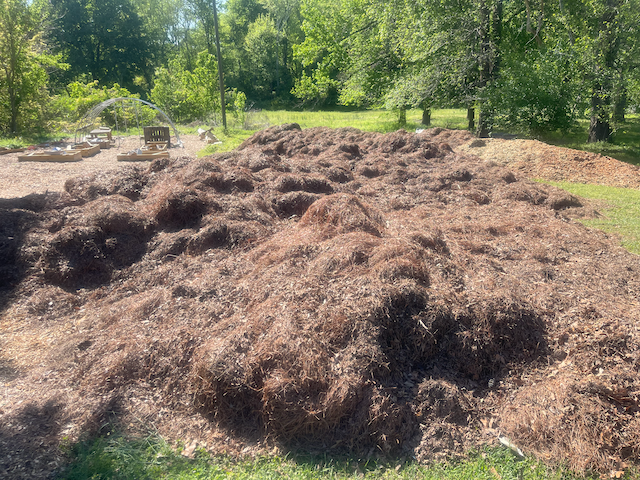
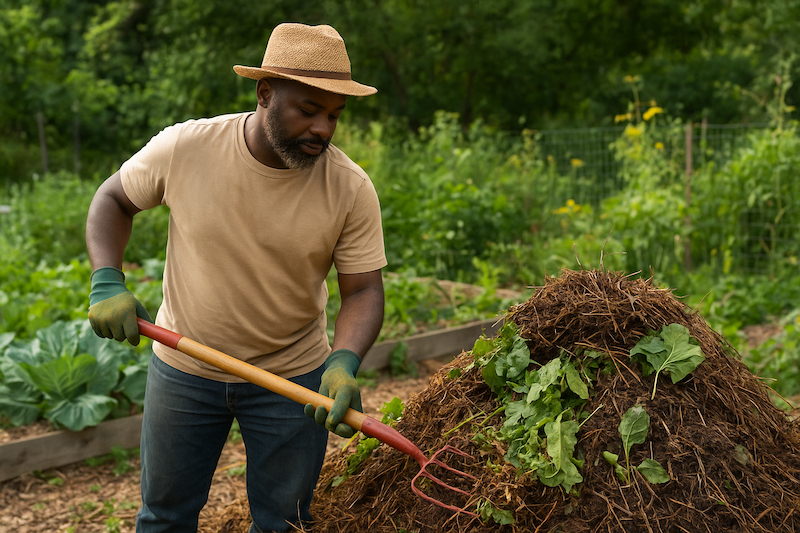
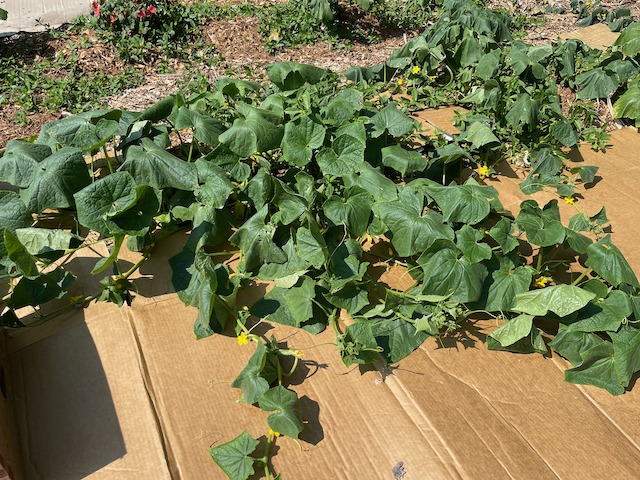
If you walked by our school garden this week, you might not see a botanical masterpiece just yet. Instead, you’d see nearly 100 young plants dwarfed by towering piles of wood chips, stacks of flattened cardboard, and several heaps of maturing compost.
To the untrained eye, it looks like a construction site. To us, it’s the "messy middle" of a grand transformation.
Embracing the Organized Chaos
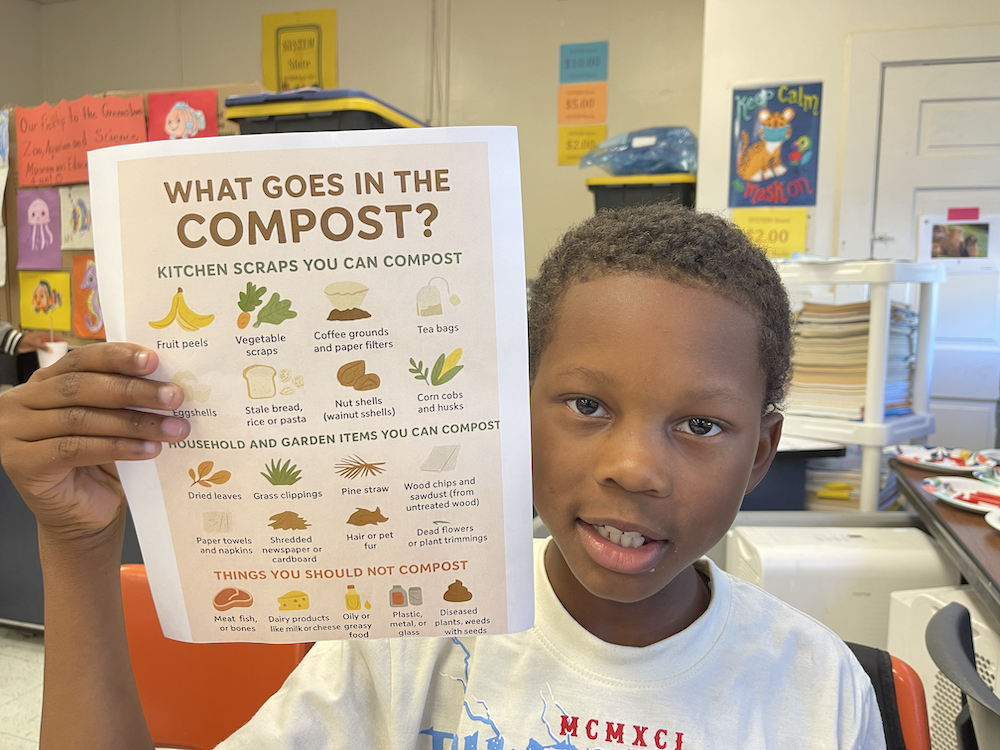
Right now, the garden is in a high-maintenance phase. We are utilizing sheet mulching (hence the cardboard and wood chips) to build soil health and suppress weeds naturally. While it isn’t "Instagram-ready" quite yet, every scrap of cardboard and every bucket of compost is an investment in the future.
Managing a project of this scale—100 plants and counting—can feel overwhelming. The to-do list is long:
Daily Hydration: Ensuring 100 vulnerable root systems stay moist.
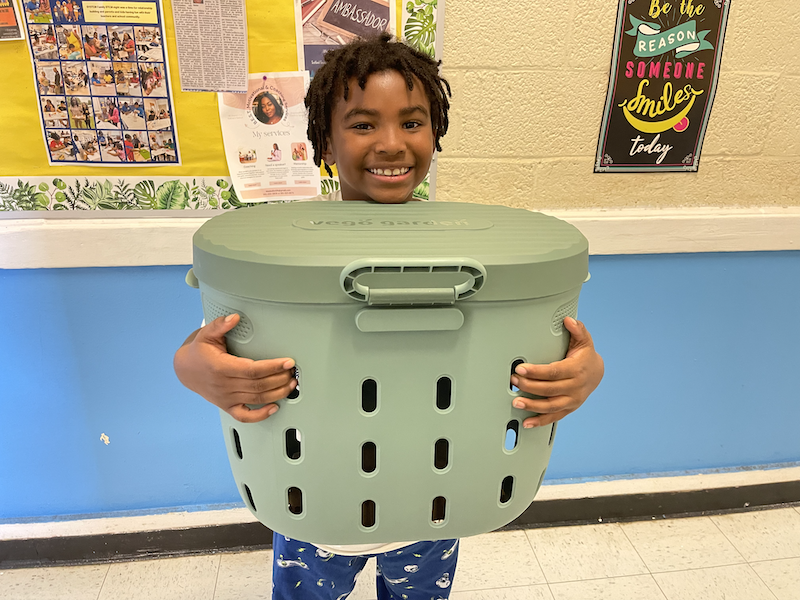
Pile Management: Turning compost and moving mulch to where it’s needed most.
Continuous Projects: Building trellises, fixing borders, and refining the “mess.”
The Power of the "Daily 1%."
When the sun is hot and the garden looks like a puzzle with half the pieces missing, we remind the students about consistency.
Gardening isn't about one day of Herculean effort; it’s about the quiet, daily commitment to showing up. Moving five wheelbarrows of chips today, weeding one bed tomorrow, and checking the irrigation every morning. These small, consistent efforts are what eventually weave all these disparate elements—the cardboard, the dirt, and the seedlings—into a thriving ecosystem.
Eyes on the Prize
We anticipate that in about a month, the "mess" will begin to recede. The young plants will find their footing and double in size, the wood chips will settle into neat paths, and the cardboard will be hidden under a lush layer of growth.
“Everything looks like a failure in the middle, but we are just four weeks away from seeing the fruits of our labor.”
The transition from a "work in progress" to a "harvestable garden" is a lesson in patience. For now, we’ll keep our hands in the dirt and our eyes on the horizon. The payoff is coming, and it’s going to be spectacular.
Teacher’s Note: A huge thank you to the students who are pushing through the "messy" phase with grit and a smile. Your hard work is the secret ingredient in our soil!