We're growing an ecosystem, not just a garden.
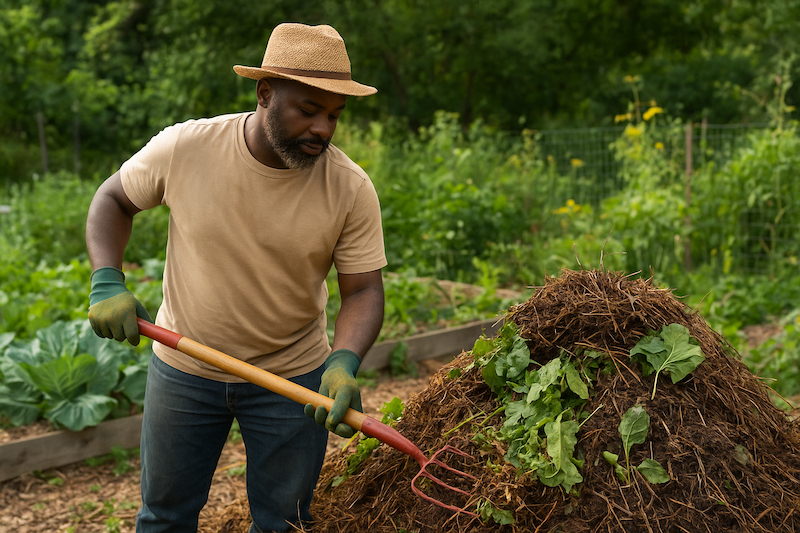
When most people look at a garden, they see rows of vegetables—tomatoes, peppers, beans, maybe some flowers off to the side. But what we’re building here is something much bigger. We’re building an ecosystem. That means every plant, every insect, every layer of soil, and even the mulch on the ground has a purpose and a role to play.
A traditional garden starts fresh every year. You prepare the soil, plant your seeds, harvest what you can, and then start all over again. But an ecosystem works differently. In nature, things build on top of what came before. Leaves fall, branches break down, insects move in, roots stay in the soil. Over time, the ground becomes richer, healthier, and more alive.
That’s the idea behind our food forest project. We’re not just putting plants into the ground—we’re designing a living system that gets better and more productive over time. Instead of thinking in single seasons, we’re thinking in years.
Instead of focusing only on what we can harvest, we’re focusing on how the plants support each other.
Some plants attract pollinators. Some add nutrients back into the soil. Some shade the ground so it stays cool and moist. Others climb, spread, protect, or enrich. When these plants grow together, they don’t compete—they cooperate. The result is a garden that starts to take care of itself, with less work from us and more balance from nature.
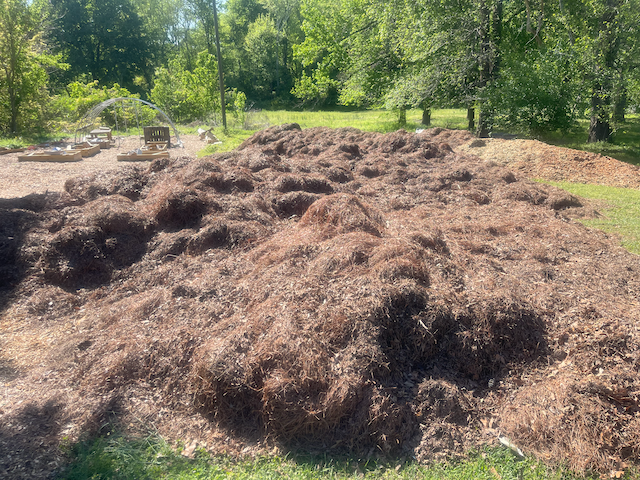
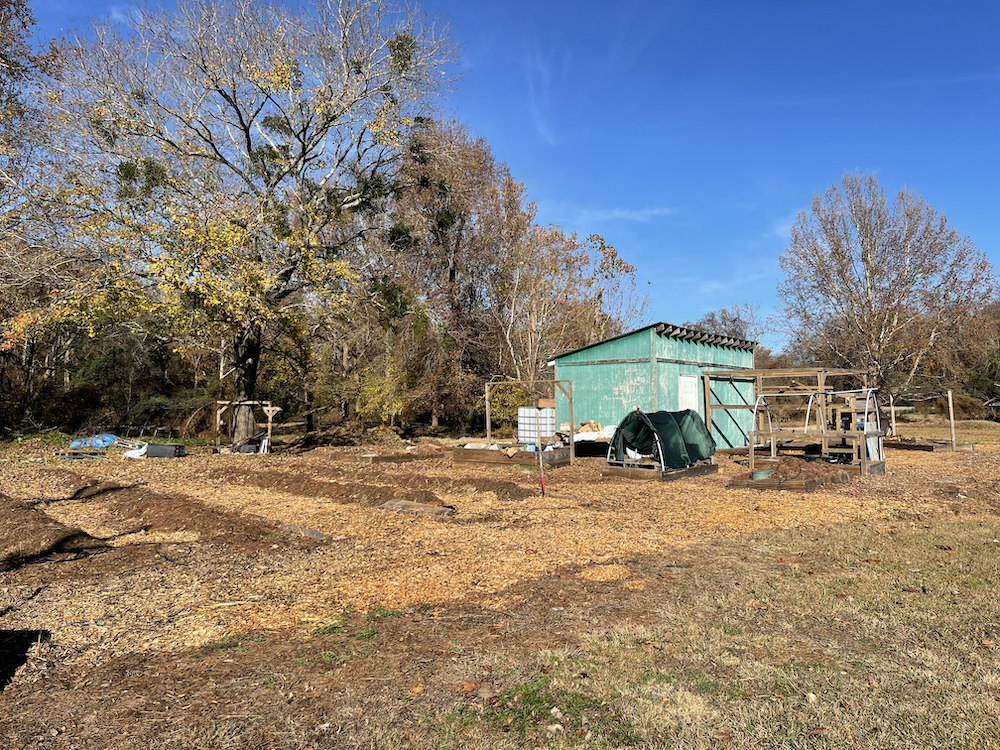
That’s why we use wood chips to cover the paths, why we plant flowers next to vegetables, and why we include herbs, shrubs, vines, and eventually trees. All of these elements mimic what happens in a natural forest. The more layers we add, the healthier the whole system becomes.
So as we begin learning about planting, I want you to remember this: we’re not just growing food. We’re creating habitat, building soil, supporting pollinators, and forming a space where everything works together. This is the first step in transforming our garden into a long-term, sustainable food forest—a place that will keep growing, changing, and improving long after the spring harvest is over.
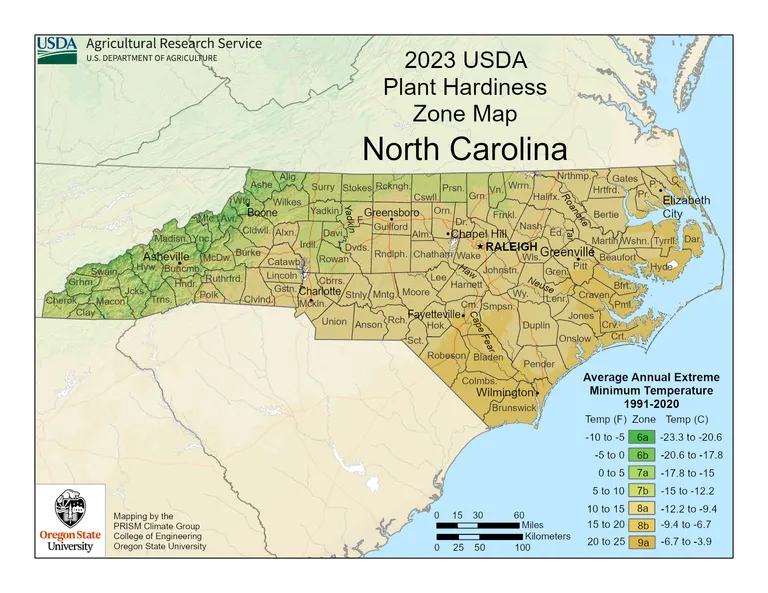
In our food forest, we will have a combination of raised wooden beds, traditional rows, and other thoughtfully placed plants, trees, shrubs, and vines, all working together to create a thriving, interconnected ecosystem. To ensure the success of our forest, we will need to understand the differences between annual plants, which complete their life cycle in a single growing season, and perennial plants, which return year after year. Learning about the ideal planting times for each type of plant will be essential, particularly for those that grow well in Zone 8-B. By carefully planning the layout, plant selection, and timing, we can create a food forest that not only produces a variety of fruits, vegetables, and herbs but also encourages biodiversity, supports pollinators, and builds healthy soil for years to come.
Food Forest Vocabulary Study Sheet
Annual
Definition: A plant that lives for only one growing season, from seed to flower to seed.
Example: Tomatoes and lettuce are annuals because they grow and die in one season.
Ecosystem
Definition: A community of living things (plants, animals, and microorganisms) interacting with each other and their environment.
Example: A pond, with fish, frogs, plants, and insects, is an ecosystem.
Food Forest
Definition: A garden designed like a natural forest, with layers of plants that provide food for people and wildlife.
Example: Our food forest will include fruit trees, berry bushes, vines, herbs, and vegetables.
Habitat
Definition: The natural home or environment where a plant or animal lives and grows.
Example: A bird’s habitat might be a tree, while a fish’s habitat is a river.
Mimic
Definition: To copy or imitate the appearance or behavior of something else.
Example: Some flowers mimic the smell of food to attract insects for pollination.
Perennial
Definition: A plant that lives for more than two years and grows back each season.
Example: Apple trees and asparagus are perennials.
Pollinators
Definition: Animals that carry pollen from one flower to another, helping plants make fruit and seeds.
Example: Bees, butterflies, and hummingbirds are pollinators.
Sustainable
Definition: Using resources in a way that does not harm the environment and can continue for a long time.
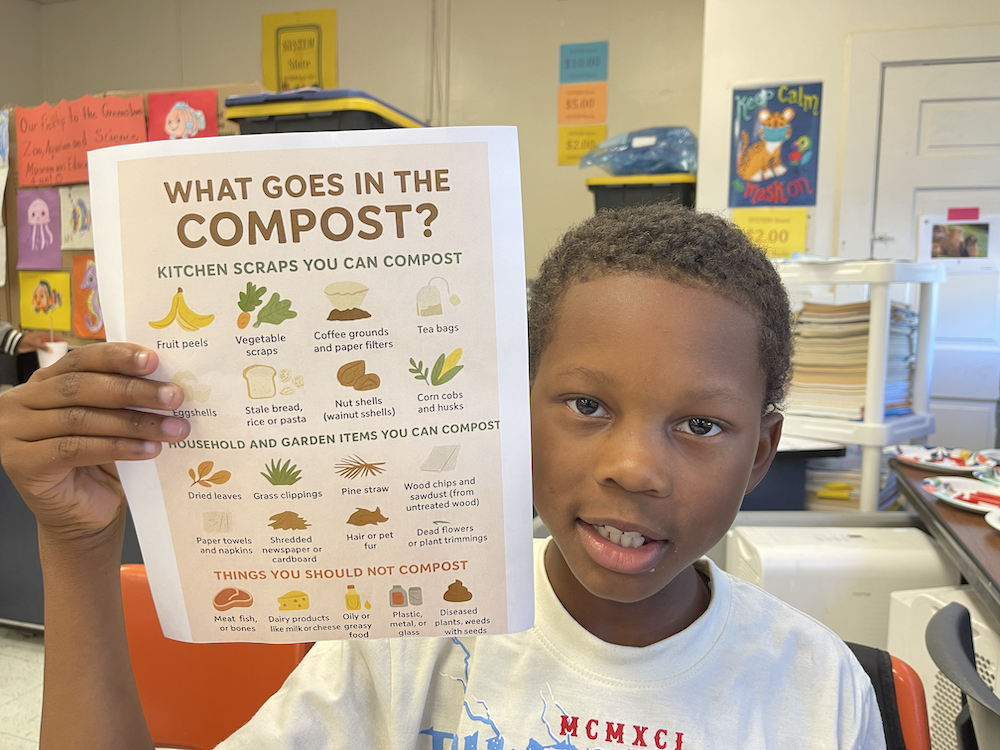
Example: Composting food scraps is a sustainable way to improve soil without using chemical fertilizers.\